Newsletter Subscribe
Enter your email address below and subscribe to our newsletter

 ByJohn A
Tokenization of real-world assets converts tangible holdings into digital tokens on a blockchain, enabling standardized transfer and auditable provenance. It can improve liquidity through fractional ownership and faster settlement. A robust framework requires governance, compliant custody, and incident response to align legal risk with investor expectations. Interoperable platforms and strong risk controls are essential to preserve data integrity. The implications for access, governance, and market dynamics invite a careful, methodical assessment of models and platforms.
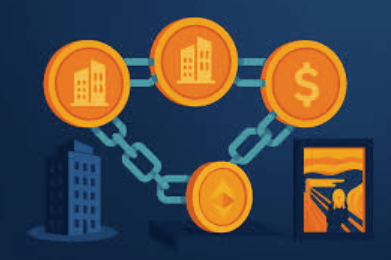
Real-World Asset (RWA) tokenization is the process of converting tangible or non-digital assets into digital tokens on a blockchain or distributed ledger. This framework enables boundaryless ownership, standardized transfer mechanics, and auditable provenance.
Tokenization governance defines rules, compliance, and participation rights, while asset custody ensures secure, auditable control of underlying assets and tokens, aligning legal and operational risk with investor expectations.
Tokenized assets unlock liquidity and broaden investor access by transforming illiquid holdings into tradeable digital representations with standardized transfer mechanics. This mechanism creates diversified liquidity channels, enabling fractional ownership, faster settlement, and transparent price discovery.
Enhanced accessibility integrates configurable governance models, empowering participants to influence asset management while maintaining risk controls.
The framework supports scalable capital formation without compromising transparency or fiduciary obligations.
Freedom-oriented markets emerge through interoperable, auditable protocols.
Navigating risk in tokenized ecosystems requires a disciplined convergence of regulatory compliance, custody architecture, and operational controls.
The discussion iterates on how risk governance structures shape fiduciary duties, data integrity, and incident response within tokenized real-world assets.
Emphasis on custody architecture clarifies secure key management, access delineation, and invariant preservation across platforms, while maintaining scalable, auditable risk controls.
Practical paths for Real-World Asset Tokens require a disciplined alignment of model selection, platform capabilities, and governance constructs to ensure scalable, compliant, and auditable outcomes.
This analysis outlines model evaluation criteria, governance frameworks, and platform interoperability while addressing custody considerations, regulatory alignment, and token standards.
It emphasizes risk management, data provenance, governance models, and liquidity dynamics to enable trusted, transparent real-world asset tokenization.
Tax treatment hinges on asset characterization and jurisdictional statutes, with tokenized interests generally subject to capital gains or ordinary income rules; Tax reporting requires accurate basis, holding period, and disclosure of digital instrument transactions according to applicable guidance.
“A fool and his money are soon parted.” The most common token standards for real world assets include ERC-721, ERC-1155, and ERC-1400, with evolving stability and compliance layers shaping token standards for real world assets.
See also: zahuayac
Yes, tokenized assets can be insured. Insurability options exist via specialized cyber and property carriers, with risk transfer mechanisms embedded in smart contracts, delegation to SPVs, and off-chain collateral. Insurers evaluate liquidity, custody, and on-chain provenance.
Cross border transferability hinges on interoperable registries and contractual novation, enabling seamless title migration under recognized legal bases. Compliance frameworks govern KYC, sanctions, and tax reporting; deterrence and assurance measures ensure enforceability across jurisdictions in tokenized deals.
Exit strategies for illiquid assets include staged sales, partial liquidations, and structured buyback options; tax implications hinge on jurisdictional treatment of gains, losses, and timing, while investors seek flexible, regulated pathways to monetize holdings efficiently and defensibly.
Thus, the tokenization framework stands at a critical threshold. Provenance, custody, and governance must converge to sustain trust as assets migrate onto digital rails. Yet an undercurrent persists: governance rigidity or custody gaps could fracture market confidence, throttling liquidity just when broader access is most needed. As platforms evolve, the true test will be whether risk controls scale in tandem with tokenized flexibility, preserving data integrity while enabling durable, configurable market mechanisms to emerge from complexity.